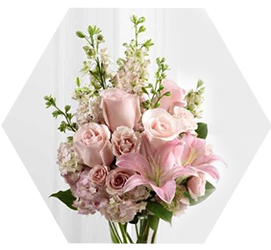
Elmbridge Council rules for funeral flowers in Cobham
Posted on 06/10/2026
If you are arranging flowers for a funeral in Cobham, there is a good chance you are trying to balance two things at once: a beautiful, respectful tribute and the practical rules that may apply at the venue. That is exactly where understanding the Elmbridge Council rules for funeral flowers in Cobham becomes useful. The council may not tell you how grief should look, of course, but it can shape what is allowed, where flowers can be placed, and how long they can stay there. A small detail? Maybe. Yet it can prevent awkward last-minute changes on a day that already carries enough weight.
This guide explains the likely expectations around funeral flowers in Cobham, how to plan around them, what to ask before ordering, and how to choose tributes that feel appropriate for the service. We will also look at common mistakes, practical examples, and a few sensible ways to make the process less stressful. Let's face it, nobody wants to be dealing with a rejected wreath or an arrangement that turns up too late.
Table of Contents
- Why Elmbridge Council rules for funeral flowers in Cobham Matters
- How Elmbridge Council rules for funeral flowers in Cobham Works
- Key Benefits and Practical Advantages
- Who This Is For and When It Makes Sense
- Step-by-Step Guidance
- Expert Tips for Better Results
- Common Mistakes to Avoid
- Tools, Resources and Recommendations
- Law, Compliance, Standards, or Best Practice
- Options, Methods, or Comparison Table
- Case Study or Real-World Example
- Practical Checklist
- Conclusion
- Frequently Asked Questions
Why Elmbridge Council rules for funeral flowers in Cobham Matters
Funeral flowers are not just decoration. In many funerals, they carry the message when words feel thin. A wreath, casket spray, or sympathy arrangement can express love, faith, gratitude, or simple presence. But in Cobham, as in other parts of Elmbridge, the setting matters just as much as the tribute itself. Cemeteries, crematoriums, churchyards, and memorial areas often have their own expectations about size, timing, placement, and removal.
That is why the phrase Elmbridge Council rules for funeral flowers in Cobham is more than a search term. It is a practical question about whether your tribute will be accepted, where it can be displayed, and whether it will remain in place long enough to matter. A florist might create a flawless arrangement, but if it is too large for the area or delivered at the wrong time, the result can be frustrating. No one needs that sort of stress on the day.
There is also a broader sensitivity here. Funeral flowers sit within a shared public or semi-public environment. Councils and venue managers often try to keep walkways clear, maintain neat grounds, and ensure tributes do not obstruct maintenance or other services. In plain English: the rules usually exist to keep things respectful and workable for everyone.
Expert summary: The safest approach is to choose a tribute that suits the venue, confirm the venue's flower policy before the funeral, and time delivery carefully. Most issues arise from assumptions, not from the flowers themselves.
How Elmbridge Council rules for funeral flowers in Cobham Works
There is no single universal rulebook that covers every funeral flower situation in Cobham. Instead, the practical rules usually depend on the setting. A funeral service at a church, a crematorium service, a cemetery burial, or a graveside memorial can each have different expectations. Some venues allow flowers at the service but ask for removal afterwards. Others may limit the size of arrangements, especially if space is tight.
In practical terms, this usually means checking three things:
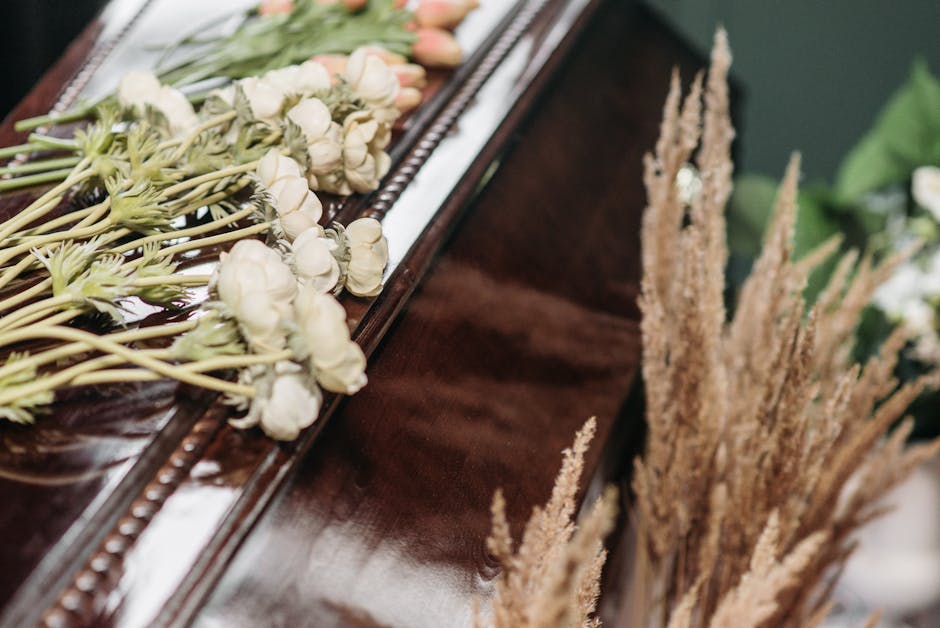
- Where the flowers will be displayed - on a coffin, at the front of the service, by a grave, or in a memorial area.
- What type of tribute is suitable - for example, wreaths, sprays, posies, hearts, crosses, or letter tributes.
- When the flowers should arrive - too early and they may be left unattended; too late and they may miss the service entirely.
For many families, the simplest option is to ask the funeral director or venue administrator first, then choose the arrangement to suit. If you are ordering from a local florist, it helps to tell them the service location and any known venue restrictions. A good florist will usually ask about this anyway, because funeral work is one of those areas where a little preparation saves a lot of awkwardness later.
In Cobham, you may also want to think about the weather. Outdoor graveside services, wet November mornings, or a breezy summer afternoon can all affect how flowers hold up. It sounds obvious, but people do forget. A sturdy spray or wreath can behave very differently from a delicate hand-tied bouquet once it is placed outside.
When the service is being held at a church or chapel, the clergy or venue team may also have preferences about aisle space, altar areas, and where tributes should be positioned. So the "rules" are often a blend of council guidance, venue etiquette, and common-sense local practice rather than a single printed list.
Key Benefits and Practical Advantages
Getting the flower arrangements right does more than avoid problems. It helps the day feel calmer, more organised, and more fitting to the person being remembered. In our experience, when the floral side is handled well, families tend to feel one small but real sense of relief. And honestly, that matters.
Here are the main advantages of planning around local rules and venue expectations:
- Respectful presentation - the tribute looks appropriate for the space and the occasion.
- Less last-minute stress - you avoid venue refusals, rushed changes, or awkward delivery issues.
- Better coordination - funeral directors, florists, and family members can work from the same plan.
- Longer-lasting flowers - if the arrangement is suitable for the environment, it tends to hold up better.
- Clearer family decisions - you can choose a design with confidence rather than guessing.
There is a practical benefit too: if you know the likely limits on size or display, you can spend your budget wisely. For example, a smaller but well-made wreath may suit the service better than an oversized piece that is difficult to place. The most expensive option is not always the best fit. Funeral flowers, perhaps more than most floral orders, are about the right tribute in the right setting.
Who This Is For and When It Makes Sense
This guidance is relevant to anyone arranging funeral flowers in Cobham, whether you are organising a service for a close family member, helping a friend, or supporting a funeral director with floral details. It is especially useful if you are new to funeral planning and are not sure what is normal in a local council area.
You will benefit from this if you are:
- choosing flowers for a funeral service in Cobham or the wider Elmbridge area
- ordering on behalf of family members who live elsewhere
- trying to match a tribute to a church, cemetery, or crematorium setting
- unsure whether a wreath, posy, spray, or tribute letter is more suitable
- working to a tight timeline and need a reliable plan
It also makes sense if you are trying to coordinate delivery around a service time. Funeral flower timing can be oddly specific. A tribute that arrives beautifully arranged but an hour too late is not much use, sadly. So if the service is early morning or on a busy weekday, delivery planning becomes just as important as design choice.
If you are already looking at funeral-specific products, it can help to compare them with more general sympathy options such as sympathy flowers or dedicated funeral pieces like funeral flowers in Cobham. That comparison often makes the decision clearer.
Step-by-Step Guidance
If you want the process to feel manageable, break it into a few calm steps. That is usually the best way. No need to solve everything in one go.
- Confirm the venue
Find out exactly where the service is happening: church, crematorium, cemetery, graveside, or private venue. Different places may have different expectations. - Ask about flower restrictions
Check whether there are rules on size, placement, removal, or timing. If the family is dealing with a funeral director, they may already know these details. - Choose the right format
Select a wreath, spray, posy, heart, cross, cushion, or letter tribute that suits the relationship and the setting. - Pick a colour palette
White, soft pink, lilac, and mixed pastels are common for sympathy and funeral tributes, while deeper tones can feel more formal or traditional. - Add the message
Keep card wording simple and sincere. A short phrase often works better than a long message under emotional pressure. - Arrange delivery timing
Delivery should be aligned with the service time, with enough margin for local traffic or venue handover. - Check presentation on arrival
If possible, ask someone to confirm the flowers have been delivered and placed correctly. One quick check can save a lot of anxiety.
Here is the thing: the most successful funeral flower orders are usually the ones that are planned early, but not overcomplicated. A clear venue, a sensible design, and a well-timed delivery solve most problems before they begin.
Expert Tips for Better Results
There are a few small details that make a surprisingly big difference. They are not dramatic, just the sort of practical refinements that experienced florists and funeral coordinators tend to rely on.
- Choose sturdy flowers for outdoor placement. Roses, chrysanthemums, lilies, and carnations are often used because they tend to hold shape well.
- Keep tributes proportionate. A larger chapel can take a fuller arrangement; a smaller graveside area often cannot. Scale matters more than people expect.
- Use foam or water-retaining mechanics where suitable. This helps keep tributes looking fresh, especially if there is a delay before the service.
- Match the tribute to the person, not just the occasion. A simple posy may feel more honest than an elaborate design. Sometimes less is more. Really.
- Check the wording carefully. Names, dates, and relationships are easy to mistype when everyone is tired.
One small local observation: in and around Cobham, services often involve a mix of family members, older relatives, and friends travelling from different parts of Surrey or London. That can mean arrival times are a little scattered. Flower delivery should be planned with that in mind. Not perfectly rigid, just carefully enough that nobody is standing around wondering where the wreath has gone.
If you need something that balances beauty and practicality, products from funeral sprays and wreaths are often dependable choices. They are classic for a reason.
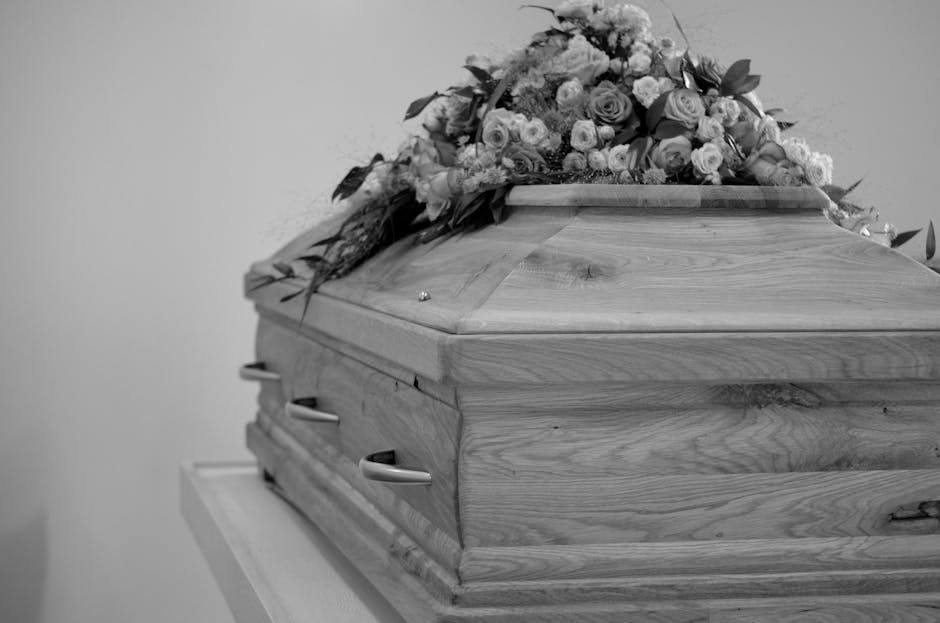
Common Mistakes to Avoid
Most funeral flower problems are avoidable. That is the good news. The bad news is that they tend to happen at exactly the wrong moment, which is why they deserve attention before you order.
- Assuming every venue allows the same thing. A crematorium, church, and burial ground may each have different expectations.
- Ordering without confirming the service time. Even a 30-minute mismatch can be frustrating.
- Choosing the wrong size. An arrangement that looks lovely online may be too large for the display space.
- Forgetting weather and transport. Heat, wind, and long journeys can all affect the condition of flowers.
- Using overly complicated wording. Simple messages usually feel more natural and heartfelt.
- Leaving everything to the last minute. Funeral flowers should not be an afterthought if they are part of the service.
To be fair, some families only realise these issues after they have already made a choice. That happens. If you are reading this before ordering, you are ahead of the game. That alone cuts down the risk quite a bit.
Tools, Resources and Recommendations
You do not need specialist equipment to handle funeral flowers well, but a few simple tools and habits help enormously.
- A written service plan - note the venue name, service time, contact person, and any delivery instructions.
- A tribute comparison list - compare wreaths, sprays, posies, hearts, and letters side by side.
- Message notes - draft card wording in your phone before deciding on the final version.
- Colour references - if the deceased loved white flowers or had a favourite colour, use that as a guide.
- Delivery confirmation - ask for a realistic delivery window, not just a broad promise.
Within the Cobham site, you may also find it helpful to look at options such as sympathy flowers, funeral arrangements, and softer remembrance styles like thinking of you flowers. Each can suit a different level of formality or closeness.
If you are unsure where to begin, start with the most practical questions: where are the flowers going, who is receiving them, and how formal does the tribute need to feel? That usually narrows the field quickly.
Law, Compliance, Standards, or Best Practice
With funeral flowers, the most important point is that local expectations are usually shaped by venue policy, cemetery rules, and general public-space good practice rather than by one single flower-specific law. In other words, the process is mostly about respect, safety, access, and maintaining the site properly. Councils and venue managers typically want tributes to be dignified, not obstructive.
Because arrangements may be placed in shared or managed spaces, it is sensible to follow the instructions given by the venue or funeral director. This might include:
- placing flowers only in designated areas
- keeping walkways and maintenance access clear
- removing tributes after the service if requested
- using materials suitable for outdoor exposure
- ensuring any personal items attached to tributes are acceptable
If you are ordering for a burial, it is wise to ask whether the flowers will remain at the graveside or whether they need to be collected later. For crematorium services, the venue may have a different policy about tributes left in the chapel or garden of remembrance. Best practice is simply to ask early and note the answer clearly. Not glamorous, but effective.
There is also a quiet etiquette point here. Funeral flowers should never feel intrusive or showy in a way that jars with the family's wishes. If you are choosing on behalf of someone else, err on the side of thoughtful restraint unless you know the family wants something bold or highly personal.
Options, Methods, or Comparison Table
Choosing the right funeral tribute is easier when you compare the main options side by side. The table below gives a practical overview rather than a rigid rule. The best choice still depends on the service setting and the family's preferences.
| Tribute type | Best for | Typical feel | Practical note |
|---|---|---|---|
| Wreath | Formal services, cemetery or crematorium tributes | Traditional and respectful | Often a safe all-round choice |
| Spray | Casket or coffin-top display | Elegant and full | Check whether it is single-ended or double-ended |
| Posy | Smaller tributes or sympathy gestures | Simple and gentle | Good when space is limited |
| Heart | Close family tribute | Personal and emotional | Can feel especially meaningful for immediate family |
| Letter tribute | Name-based messages or initials | Highly personal | Needs accurate spelling and enough space |
| Cross or themed tribute | Religious or symbolic remembrance | Formal and expressive | Useful where faith or symbolism matters |
For many Cobham families, a classic wreath or a modest spray is enough. For others, a personalised tribute better reflects the person being remembered. There is no single right answer, which is a relief, really. The right one is the one that fits the moment.
Case Study or Real-World Example
Imagine a family arranging a funeral service in Cobham on a Friday morning. The service is at a church, followed by burial at a nearby cemetery. The family wants a white and green tribute for the coffin, plus a smaller arrangement from friends. They also know that the graveside area is compact and may not suit oversized flowers.
In this situation, the family checks with the funeral director first. They learn that the church is happy for flowers to be displayed during the service, but asks for larger pieces to be removed afterwards. The burial ground prefers tributes to remain within designated areas and not block access paths. That information changes the order slightly: instead of a very large floral piece, the family chooses a respectful, medium-sized spray and a smaller wreath from friends.
The flowers arrive the morning of the service, with a clear label and time window. Everyone knows where they are going. The day still feels emotional, of course. It would. But there is no scramble, no confusion, and no last-minute argument about where to place the tribute. That is the kind of outcome these rules are really there to support.
For a family in that position, using a dependable product such as a serenity spray or a more understated peaceful wreath could be a practical fit, especially if they need something dignified but not oversized.
Practical Checklist
Use this checklist before placing your order. A minute or two here can save a lot of hassle later.
- Confirm the exact venue and address
- Check whether there are cemetery or chapel flower restrictions
- Ask where the flowers should be delivered and placed
- Decide on wreath, spray, posy, heart, cross, or letter tribute
- Choose colours that suit the person and the service
- Keep the message short, accurate, and heartfelt
- Confirm the service time and delivery window
- Ask whether the flowers will remain after the service or be removed
- Make sure the florist knows any special instructions
- Double-check names, spellings, and dates before final approval
If you want a calmer decision, this is the moment to pause and look at the practical details again. Not because it should be difficult, but because the smallest overlooked thing can become the biggest annoyance on the day.
Get a free quote today and see how much you can save.
Conclusion
Understanding the Elmbridge Council rules for funeral flowers in Cobham is really about giving a tribute the best chance to do its job: to comfort, honour, and sit appropriately in the space chosen for the service. Most issues can be avoided with a little preparation, a sensible tribute choice, and one or two clear questions asked in advance.
If you remember only one thing, let it be this: check the venue, match the flowers to the setting, and arrange delivery with care. That simple approach tends to work beautifully. And when emotions are high, simple is often best.
There is something quietly reassuring about flowers done well at a funeral. They do not fix the loss, of course. Nothing does. But they can help the day feel held together just enough, and sometimes that is exactly what people need.
Frequently Asked Questions
Do I need permission to leave funeral flowers in Cobham?
Often, yes in the practical sense. The venue or cemetery may have rules about where flowers can be placed and whether they can remain after the service. It is best to check before ordering.
Are there different rules for a church, cemetery, or crematorium?
Usually there are. Each venue can have its own expectations around size, placement, and removal. A church may be different from a crematorium garden or cemetery graveside area.
What type of funeral flowers is most suitable?
Wreaths, sprays, posies, hearts, and crosses are all commonly used. The most suitable option depends on the relationship, the service setting, and how formal the tribute should feel.
Can I send funeral flowers directly to the venue?
In many cases, yes, but you should confirm the correct delivery address, time window, and any instructions from the venue or funeral director first.
What colours are considered respectful for funeral flowers?
White, cream, soft pink, lilac, and mixed muted tones are commonly chosen. That said, some families prefer brighter colours if they reflect the person's personality or wishes.
How far in advance should I order funeral flowers?
As early as possible, ideally once the service details are confirmed. Early ordering gives the florist more time to prepare the right design and helps avoid delivery pressure.
What should I write on the funeral card?
Keep it short and sincere. Simple messages like "With love and deepest sympathy" or "Forever in our hearts" are often more effective than longer wording.
Can funeral flowers be customised with names or tributes?
Yes, many tributes can be personalised with names, letters, or themed designs. Just make sure the spelling is correct and the venue can accommodate the size.
Will the flowers stay at the grave after the funeral?
That depends on the venue or cemetery policy and the family's preference. Some flowers remain in place, while others are removed after the service or at a later date.
What if I am not sure which arrangement to choose?
If you are unsure, a classic wreath or a medium sympathy spray is often a safe choice. You can also ask for guidance based on the venue and the person being remembered.
Are larger tributes always better?
No, not at all. A tribute only needs to suit the space and feel appropriate. A smaller arrangement can be more tasteful and easier to manage than something oversized.
What is the safest approach if I am ordering from afar?
Give the florist the full service details, confirm delivery timing, and ask them to match the tribute to the venue. If you cannot attend in person, clear instructions matter even more.